

From Workplace Revolution to Personalized Choice
Geplaatst op 10 januari 2026 om 17:35 uur
In the landscape of contemporary work culture, a fundamental transformation is underway. Driven by a deepening understanding of the profound health risks associated with prolonged sitting and a growing cultural emphasis on holistic wellness, the traditional, static office setup is being reimagined. The standing desk has transitioned from a peripheral trend into a central component of the health-focused modern workspace. It represents far more than furniture; it is the physical embodiment of a proactive approach to work-life integration. This shift signifies a broader recalibration of priorities, where tools are chosen not only for their utility but for their capacity to support sustained well-being and performance. The scientific imperative behind this movement is robust and compelling. Extensive research correlates extended sedentary periods with elevated risks of metabolic syndromes, cardiovascular disease, musculoskeletal deterioration—particularly chronic lower back pain—and certain cancers. Beyond physiological impacts, a sedentary work style often leads to afternoon energy crashes, diminished cognitive sharpness, and decreased mood. The standing desk serves as a direct, practical intervention. By facilitating effortless posture alternation, it promotes healthier blood flow, engages postural muscles, and can significantly enhance mental alertness and stamina. It is a simple yet powerful tool for reclaiming vitality within the confines of the workday.
The Evolving Product Ecosystem: Tailored Solutions for Every User
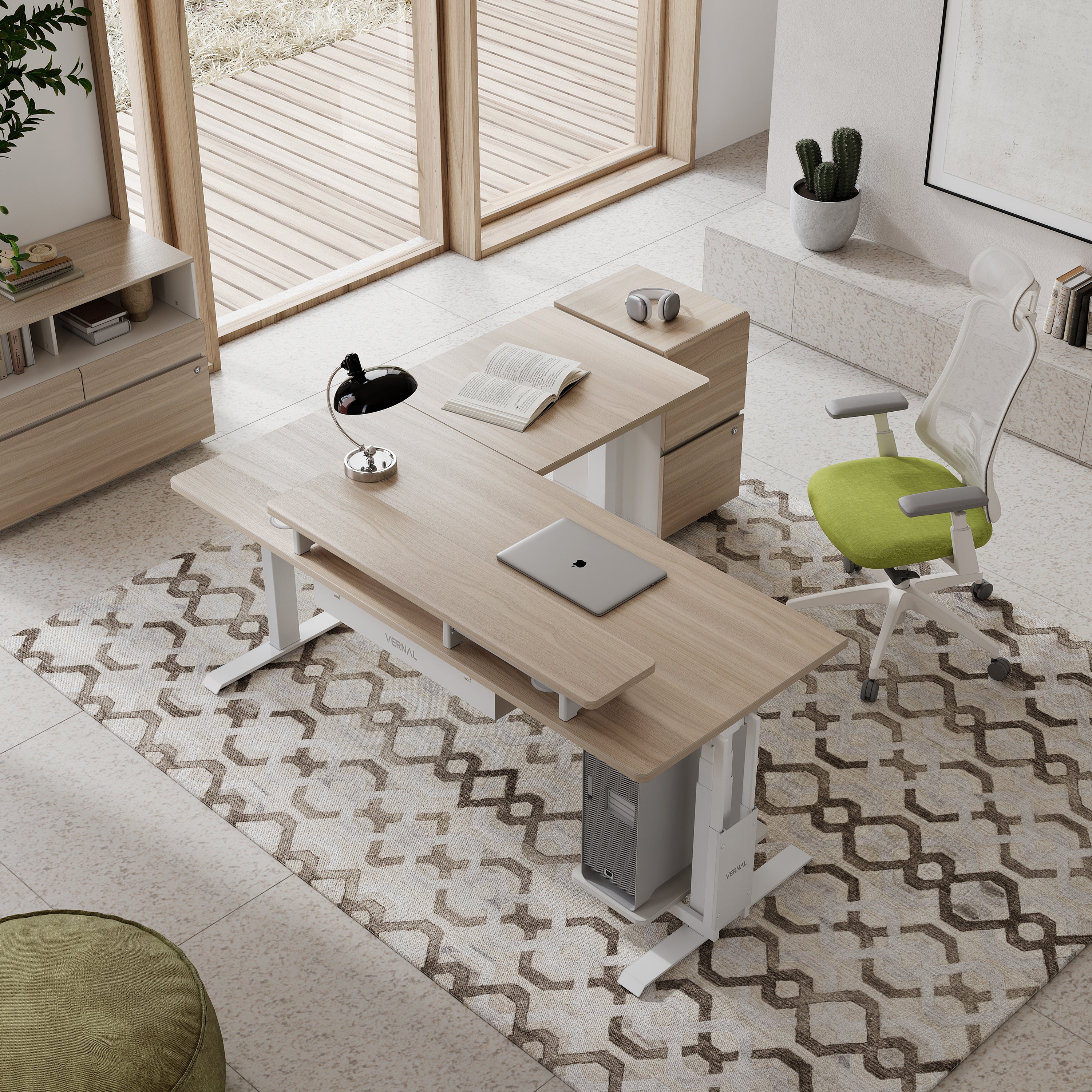
The market's response to this demand has been a proliferation of specialized designs, creating a nuanced ecosystem that serves diverse environments, from minimalist home studios to expansive corporate headquarters. The foundational category remains the versatile adjustable desk. Its core value proposition is user-centric adaptability. Utilizing mechanisms ranging from manual cranks and gas springs to sophisticated electric motors, these desks grant the user sovereign control over their immediate environment. They directly solve the ergonomic flaw of the fixed-height desk, allowing for precise alignment with individual anthropometry. This customization is the first critical step in building a workstation that conforms to the body, rather than forcing the body to conform to it. The adjustable desk is the embodiment of personalized ergonomics. For users managing complex workflows, multiple digital assets, or creative projects requiring spatial freedom, the L shaped standing desk presents an optimal solution. It marries the dynamic health benefits of a height-adjustable frame with the unparalleled functional utility of a continuous, corner-hugging surface. This design facilitates intuitive task zoning—dedicating one wing to primary computing and communications, and the other to reference, writing, or planning. It creates an immersive, efficient command station that supports deep focus and expansive thinking without sacrificing the ability to move and shift postures throughout the day. Symbolizing the convergence of status, sophistication, and smart design is the executive standing desk. This tier transcends mere utility. It is crafted to impress, utilizing premium materials like full-grain leather inlays, hand-finished hardwoods (such as mahogany or figured maple), and architectural-grade metals. The aesthetic communicates authority and refined taste. Underneath this elegant exterior, however, lies cutting-edge engineering. Dual or tri-motor electric systems provide exceptionally smooth, silent, and robust operation, often integrated with intelligent control panels featuring memory presets, programmable height intervals, and USB-C charging ports. The executive standing desk is designed for the discerning professional for whom the workspace is an extension of their personal brand and a strategic asset for sustained leadership performance.
Reacties
Er zijn nog geen reacties geplaatst.
Volg Mijn Reis © 2026. Alle rechten voorbehouden.
Algemene Voorwaarden | Linkpartners | Contact